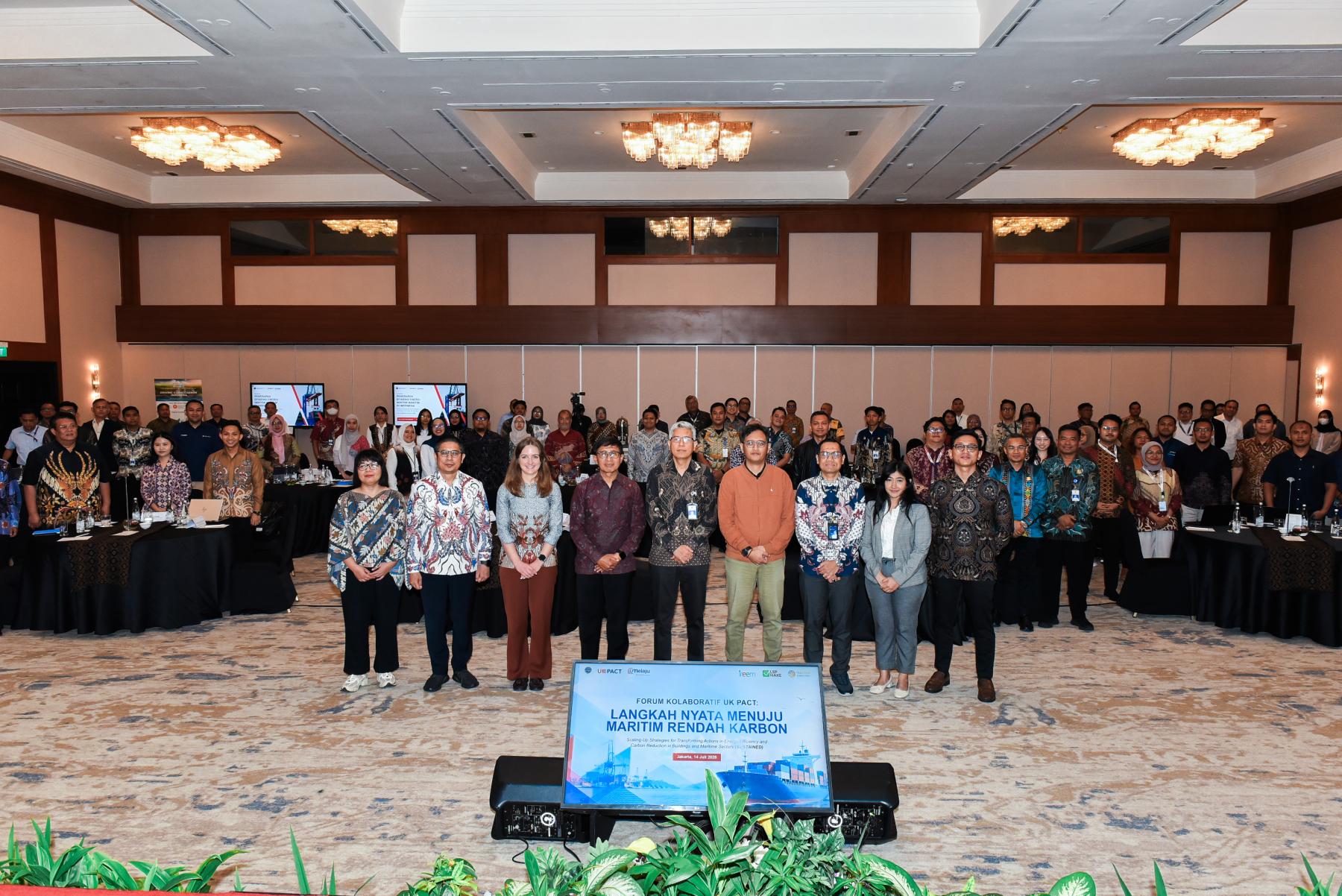
Indonesia dan Inggris Perkuat Akselerasi Ekosistem Maritim Rendah Karbon
Jakarta, 14 July 2026 – The Directorate General of Sea Transportation, Ministry of Transportation of the Republic of Indonesia, together with the UK Government through the UK Partnering for Accelerated Climate Transitions (UK PACT) programme and its implementing partner, the Institute for Natural Resources, Energy, and Environmental Management (IREEM), launched three strategic documents to support the accelerated transition towards a low-carbon maritime ecosystem.
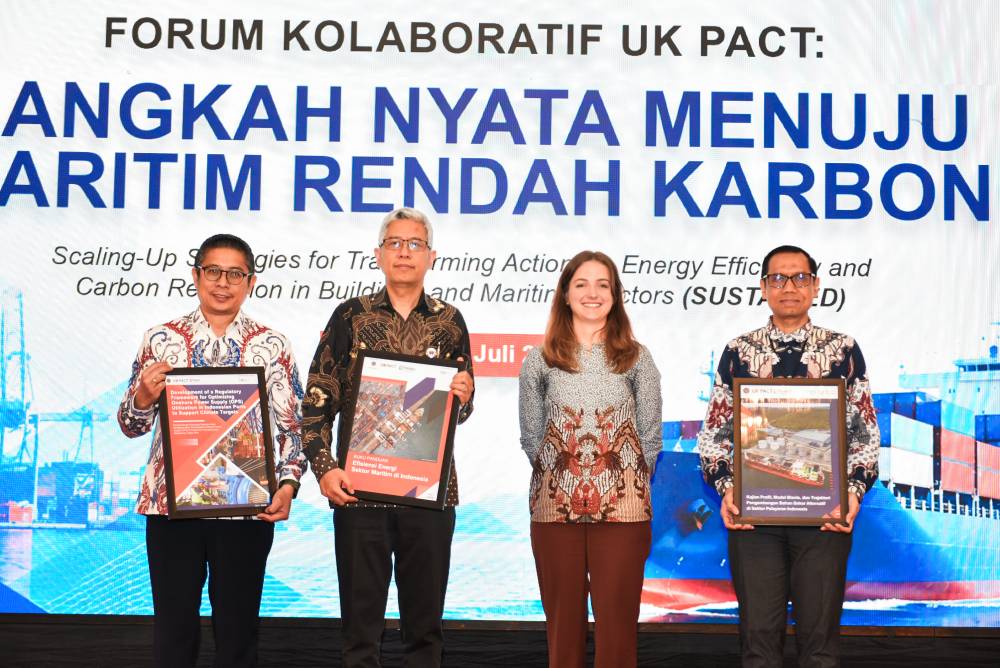
The three documents comprise the Maritime Sector Energy Efficiency Guidebook, the Alternative Fuels Study, and the Onshore Power Supply (OPS) Optimisation Study. Together, they serve as complementary technical instruments. The energy efficiency guidebook provides practical guidance for port and shipping operators; the alternative fuels study examines the profile, business models, and transition pathways towards low-carbon fuels; while the OPS study offers recommendations to optimise shore-based electricity supply and reduce the use of auxiliary diesel engines while vessels are berthed.
1.jpg "Akselerasi transisi menuju ekosistem maritim rendah karbon. (Kiri-kanan) Direktur Utama PT Energi Pelabuhan Indonesia (Pelindo Group) Andriyuda Siahaan, Sekretaris Direktorat Jenderal Perhubungan Laut Lollan Panjaitan, Deputy Head of Low Carbon Infrastructure British Embassy Jakarta Phoebe Rimmer, dan Vice President Manajemen Risiko & ESG PT Pelni Tatang Ruskianta Dasuki, dalam penyerahan simbolis Buku Panduan Efisiensi Energi Sektor Maritim, Kajian Bahan Bakar Alternatif, serta Kajian Optimalisasi Onshore Power Supply (OPS) pada Forum Kolaboratif di Jakarta, Selasa (14/7).")
This maritime decarbonisation agenda supports Indonesia’s efforts to achieve Net Zero Emissions by 2060. It is also aligned with Minister of Transportation Decree No. KM 8 of 2023 on Climate Change Mitigation Actions in the Transportation Sector, the strengthened mandate for energy efficiency under the National Energy Policy as stipulated in Government Regulation No. 40 of 2025, and the maritime decarbonisation targets set by the International Maritime Organization (IMO).
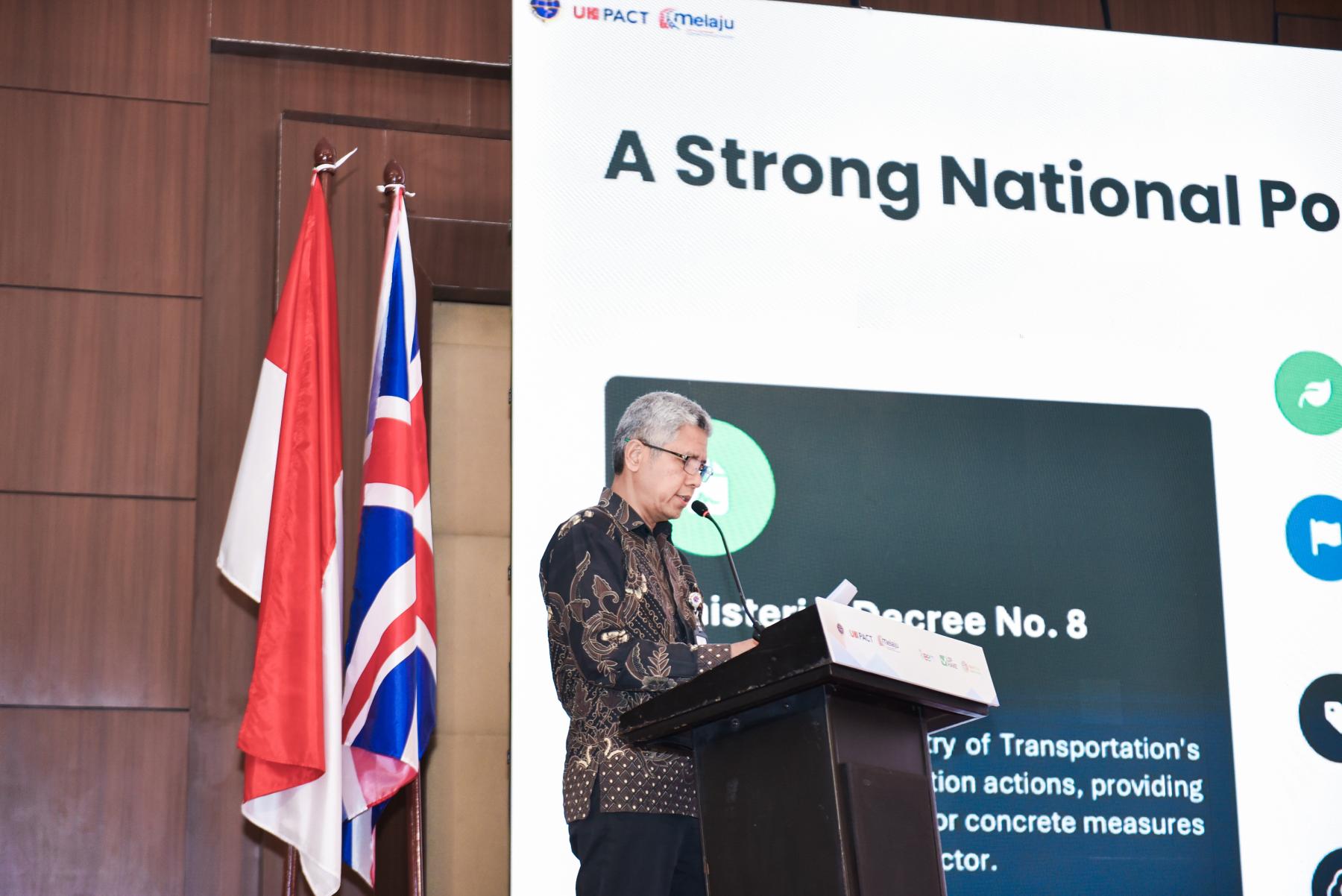
Secretary of the Directorate General of Sea Transportation, Ministry of Transportation, Lollan Panjaitan, emphasised that as the regulator of the shipping and port sectors, the Directorate General of Sea Transportation plays a strategic role in guiding the transformation of Indonesia’s maritime sector towards a more sustainable sea transportation system.
“The Directorate General of Sea Transportation plays an important role in shaping Indonesia’s maritime industry. In the context of decarbonisation, this means ensuring that Indonesia’s national fleet and ports continue moving towards green shipping and green ports, not only to comply with regulations, but also to maintain the competitiveness of Indonesian shipping at the global level,” Lollan said during the opening of the UK PACT Collaborative Forum in Jakarta on Tuesday, 14 July.
Peter Rajadiston, UK Minister-Counsellor for Development at the British Embassy Jakarta, said, “The UK Government is proud to partner with the Ministry of Transportation of the Republic of Indonesia in accelerating the transition towards a low-carbon maritime ecosystem in Indonesia. This initiative reflects the strength of maritime cooperation under the UK–Indonesia Strategic Partnership, as well as our sustainable infrastructure partnership, MELAJU, which further reinforces our shared commitment to advancing green growth and economic resilience for both countries. The guidelines and studies launched today will help strengthen the foundation for evidence-based decision-making and strategic investment, while supporting the development of a more resilient and competitive maritime ecosystem.”
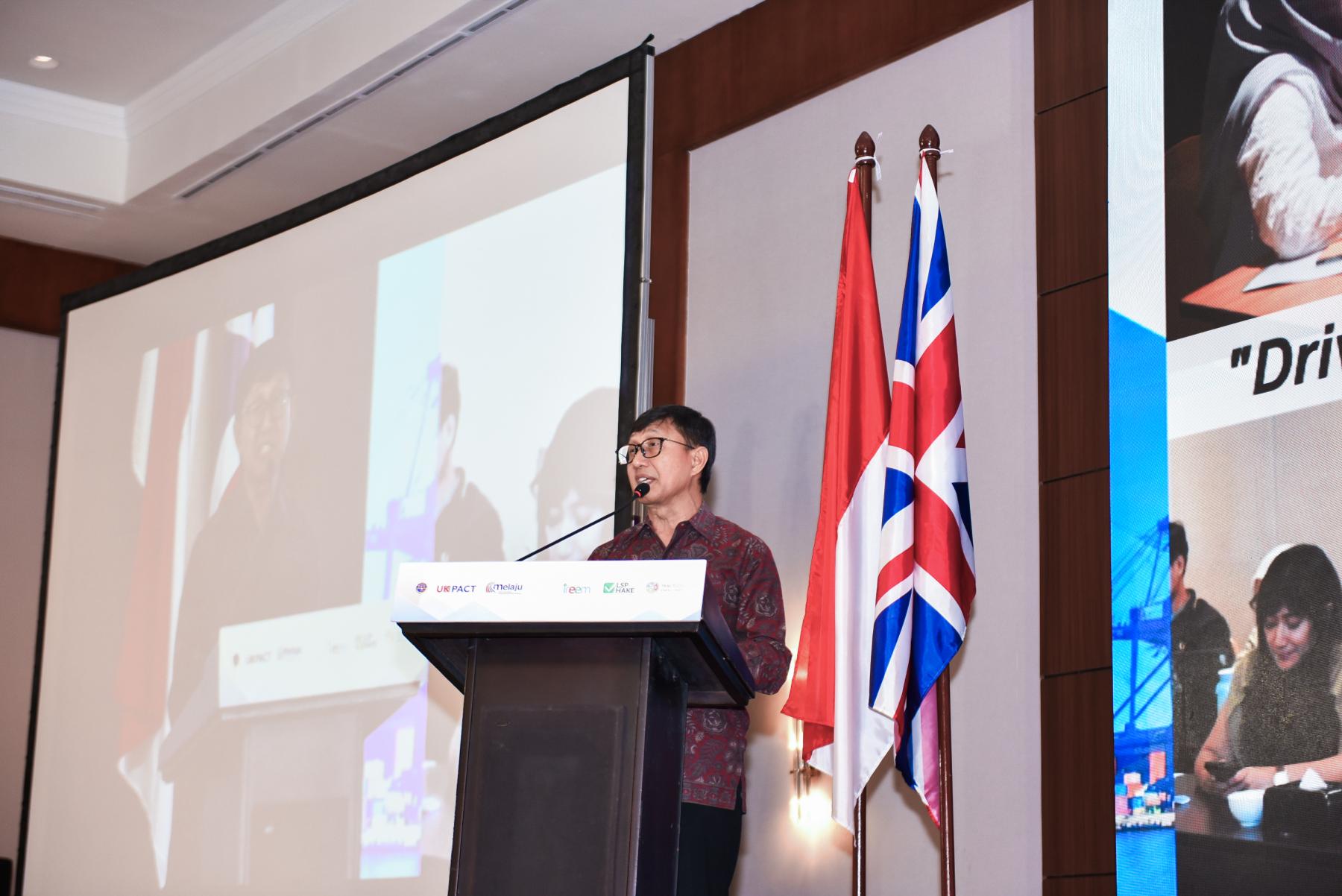
Arief Yunan, Executive Director of IREEM, added, “These three documents are designed to bridge decarbonisation targets with practical implementation in the maritime sector. Through more structured guidance that is grounded in industry needs, we hope stakeholders will have a stronger foundation to accelerate the adoption of low-carbon solutions. This also demonstrates how collaboration between government, industry, development partners, and technical institutions can support a sustainable maritime transformation.”
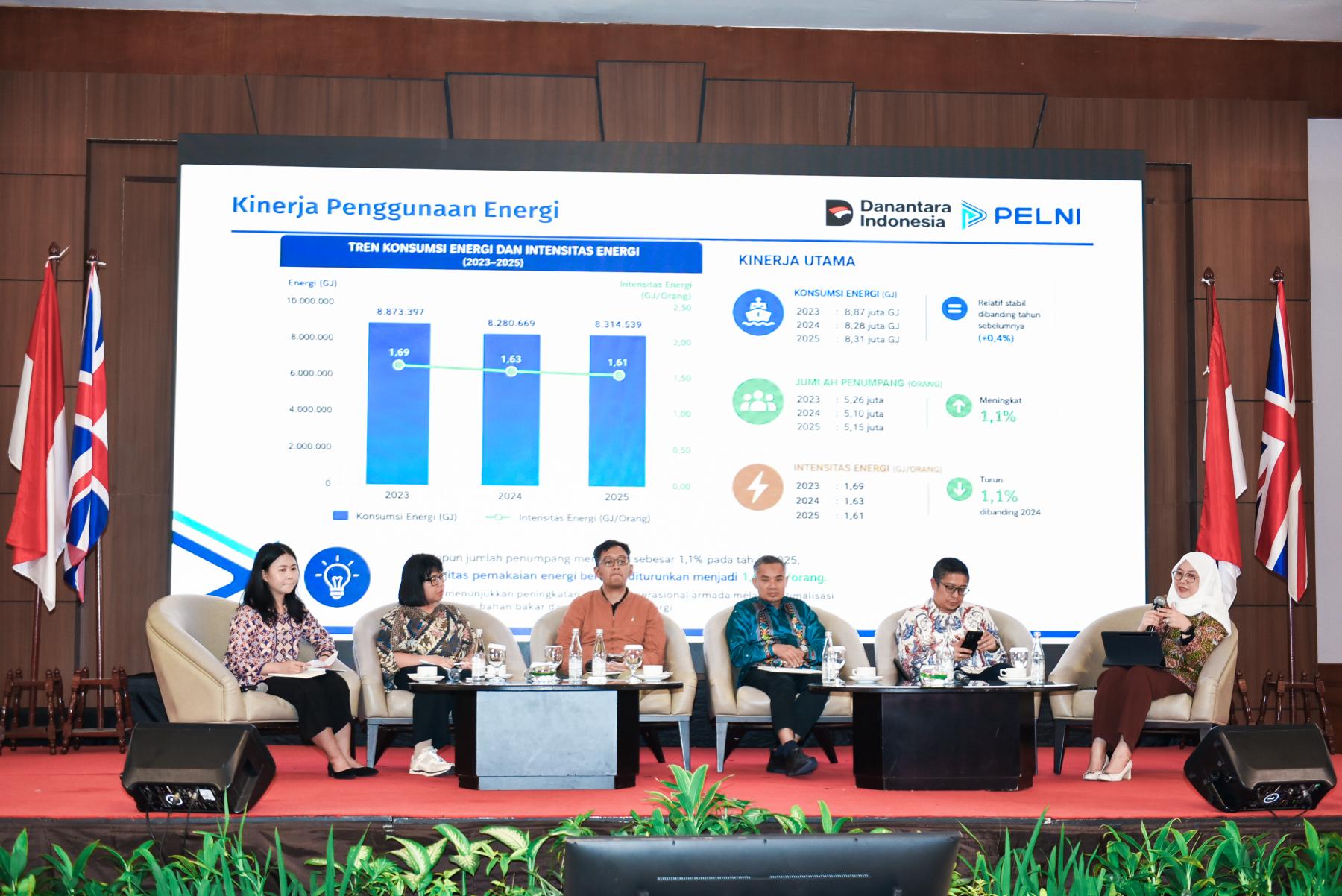
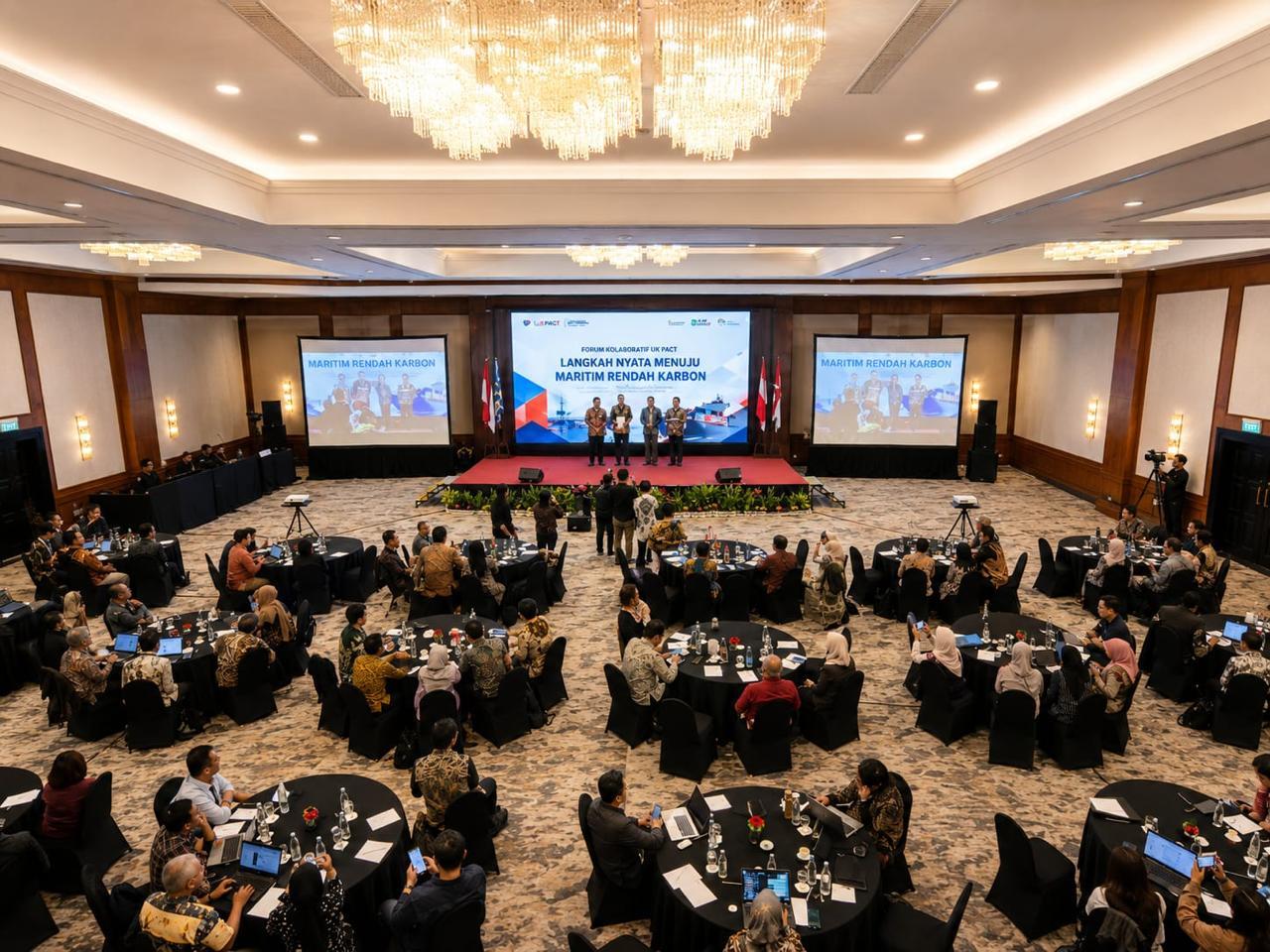
The event concluded with the symbolic signing of a joint commitment between the Ministry of Transportation, PT PELNI (Persero), and PT Pelindo (Persero) to strengthen maritime decarbonisation efforts through energy efficiency measures, the use of low-carbon technologies, and the development of a more sustainable maritime ecosystem.