


Towards Net Zero Energy: Ministry of Energy and Technical Committee 27–06 Discuss Draft SNI ISO 50010:2023
Jakarta, August 1, 2025 — The Government of Indonesia, through the Ministry of Energy and Mineral Resources (ESDM), continues to demonstrate its commitment to accelerating the transition towards a clean energy system. One of its current efforts includes drafting the Indonesian National Standard (RSNI) ISO 50010:2023 — a technical guideline for implementing Net Zero Energy (NZE) practices at the organizational and corporate levels.
In a technical meeting held at Hotel Ashley Wahid Hasyim Jakarta, the Directorate of Energy Conservation under the Directorate General of New, Renewable Energy and Energy Conservation (EBTKE) of the Ministry of ESDM engaged multiple stakeholders to review the draft standard.

This drafting process is supported by the UK PACT Phase 2 Program, with the Institute for Natural Resources, Energy, and Environmental Management (IREEM) serving as the implementing partner. In this role, IREEM acts as the facilitator for the technical discussions to help develop the substance of the standard.
This standard is expected to serve as a national reference for managing energy use to achieve Net Zero Energy (NZE) and support broader efforts toward Net Zero Carbon (NZC). It introduces several new concepts for determining whether a facility meets the recommended criteria to demonstrate its alignment with NZE or NZC goals.
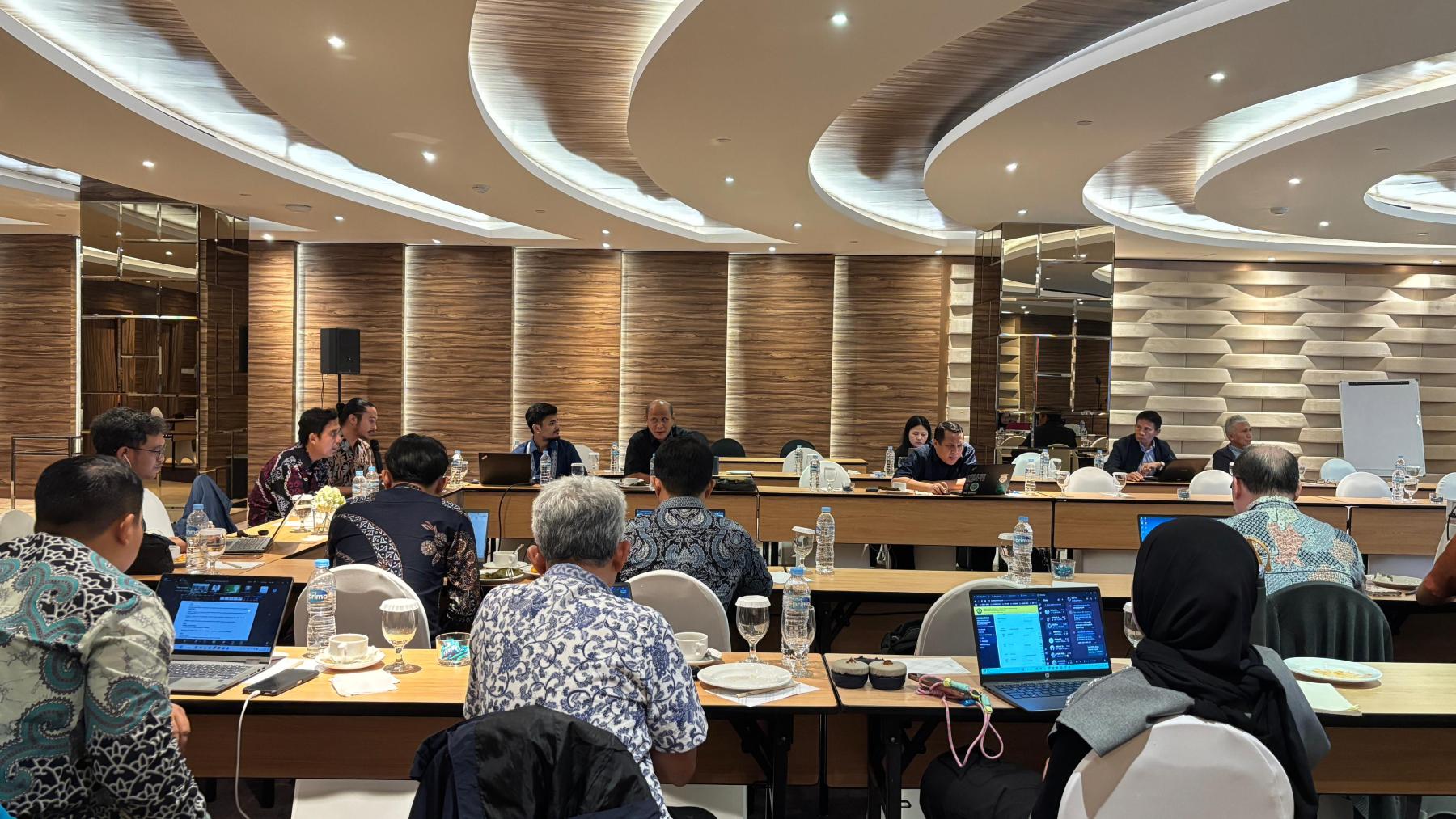
The technical discussion was attended by members of Technical Committee 27–06, which includes representatives from industry, government, academia, and consumers, along with the National Standardization Agency (BSN). They discussed key components of the draft, including NZE technical definitions, implementation scenarios in Indonesia, and success indicators.
This activity is part of the national consensus process designed to ensure cross-sectoral alignment before the RSNI is officially adopted as an Indonesian National Standard (SNI). Through technical meetings and consensus stages, the standard is being developed with a strong and practical technical foundation to support Indonesia’s national greenhouse gas emission reduction targets.